Periods that come too early, too late, or are very heavy or very painful are called menstrual disorders. They are very common, and in most cases they can be managed well once the cause is found.
21–35 days, counted from the first day of one period to the first day of the next.
2–7 days. Soaking a pad every 1–2 hours is not normal.
Often linked to PCOS, thyroid problems, stress or weight change.
Always rule out pregnancy first if your period is late.
Usually with an ultrasound and a few blood tests.
A normal menstrual cycle lasts 21 to 35 days, with bleeding for 2 to 7 days. Periods that come too early, too late, are very heavy or very painful are called menstrual disorders. They are very common, and in most cases they can be managed well once the cause is found.
At Mannat Clinic in Whitefield, our gynaecologist looks for the reason behind your period problem, not just the symptom.
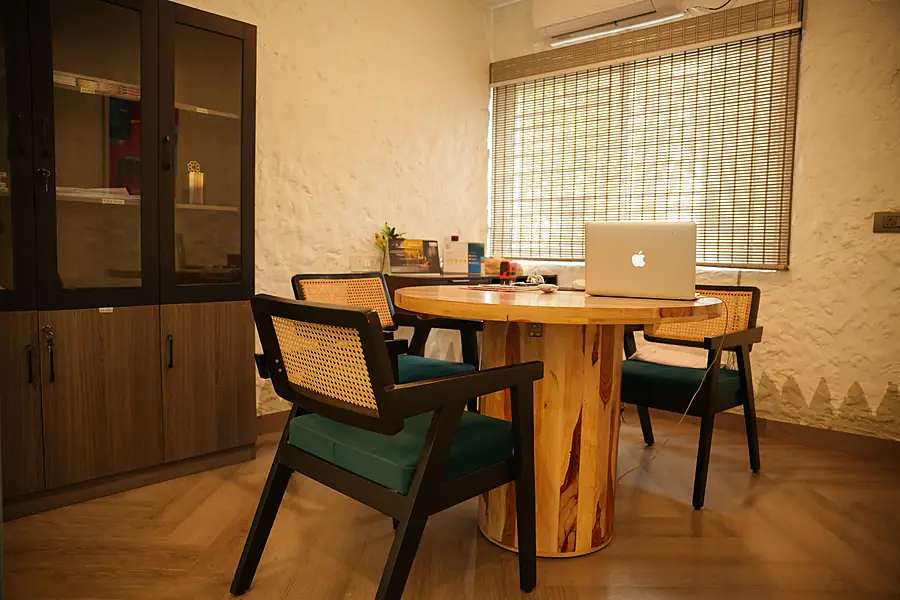
We look for the reason behind your period problem, not just the symptom.
Open all 7 days, 8 AM – 8 PM.
Cycle length changes a lot from month to month.
No period for more than 35 days, or for 3 months or more.
Soaking a pad every 1–2 hours, passing large clots, or bleeding for more than 7 days.
Cramps that stop you from work, college or daily activities.
Very light flow lasting a day or less.
Bleeding or brown discharge outside your period.
Mood swings, bloating, breast tenderness and irritability before periods.
Our gynaecologist will check your cycle history and find the cause. See how diagnosis works →
Compare your periods with this simple guide.
Heavy periods can lower your haemoglobin and lead to anaemia. You may feel tired, breathless or dizzy, and find it hard to focus at work or college. Painful periods can mean missed days and broken sleep.
Irregular cycles can also make pregnancy planning harder, because it is difficult to know when you ovulate.
Getting checked early helps protect your energy, your work life and your future fertility.
Your doctor advises only the tests you need.
Detailed history of your cycles, flow and symptoms.
Physical and, if needed, pelvic examination.
To check the uterus and ovaries.
Haemoglobin, thyroid (TSH), prolactin, and hormone profile (FSH, LH, AMH).
A pregnancy test, if your period is late.
Treatment is planned for your age, symptoms and future pregnancy plans.
Guidance on diet, exercise, weight and sleep.
To regulate cycles, reduce heavy bleeding or ease period pain.
Such as cyclical progesterone or combined pills, when suitable.
For example thyroid or PCOS management.
May help reduce heavy bleeding in suitable women.
Hysteroscopy or laparoscopy for polyps, fibroids or endometriosis, if needed.
Most women do not need surgery. Treatment usually begins with medicines and lifestyle steps, and is reviewed after a few cycles.
Small daily habits can support hormone balance. These tips suit busy routines in Bengaluru, including long IT shifts in Whitefield, ITPL and Marathahalli.
Use a period tracker app or a diary. Note start dates, flow and pain.
Include dal, eggs or paneer, green leafy vegetables, fruit and whole grains like ragi and millets.
Add spinach, dates, jaggery in moderation, and lemon or amla to help iron absorption.
Sugary drinks, maida, fried snacks and late-night eating.
A 30-minute walk, yoga or cycling on most days.
Aim for 7–8 hours. If you work night shifts, keep a fixed sleep time where possible.
Short breaks, breathing exercises and time away from screens.
Do not start herbal or hormonal pills without a doctor's advice. They can hide the real cause.
Very heavy bleeding with dizziness or fainting, severe sudden pain, bleeding after menopause, or a missed period with pain and spotting (this may be an ectopic pregnancy).
Women from Kundalahalli, Brookefield, Hoodi, Mahadevapura and Varthur visit us for period problems.
Gynaecologist-led evaluation, with ultrasound and lab tests coordinated in one visit
Care for teenagers, working women and women nearing menopause
Medical treatment first; surgery only when it is truly needed
Open all 7 days, 8 AM – 8 PM, near Kundalahalli Signal, Whitefield
The cost of treatment depends on the tests and treatment you need. Please check outpatient cover with your insurer.
Ask about feesAbout periods and menstrual problems.
Small changes of a few days are normal. Cycles shorter than 21 days, longer than 35 days, or missing for 3 months need a check-up.
Yes. Stress, travel, exams and night shifts can affect the hormones that control your cycle.
They can make it harder to know when you ovulate. Finding and treating the cause often helps.
Mild cramps are common. Pain that needs strong painkillers or stops your daily routine should be checked for conditions like endometriosis.
Usually a pelvic ultrasound and a few blood tests such as thyroid and hormone levels. Your doctor will advise only what you need.
A cycle shorter than 21 days can happen due to hormone changes, thyroid problems, polyps or fibroids. Bleeding between periods also needs a check, so see a doctor.
A few days’ delay can be normal. If your period is more than a week late, take a pregnancy test. If it is negative and your period still does not come, see a gynaecologist.
Yes. Both an underactive and an overactive thyroid can change your cycle. A simple TSH blood test can check this.
No matching question. Please call or WhatsApp us and we'll help.
Don’t ignore changes in your cycle. Talk to our gynaecologist, any day of the week, 8 AM – 8 PM.