A hydrosalpinx is a blocked fallopian tube filled with fluid. It can cause infertility and may lower the chances of IVF success. Keyhole surgery before IVF may improve the chances of pregnancy.
The choice between clipping, removal or opening the tube is made carefully with you, based on your tubes and your IVF plans.
Swollen tube: A tube blocked at the far end and swollen with fluid.Leaks back: The fluid can leak into the womb and may harm embryos.Clipping: A small clip near the uterus stops the fluid reaching the womb.Removal: Salpingectomy: a badly damaged tube is removed.Opening: Salpingostomy: the blocked end of a mildly damaged tube is opened.
A hydrosalpinx is a fallopian tube that is blocked at its far end (near the ovary) and filled with fluid. It looks like a swollen, sausage-shaped tube on ultrasound or HSG. It can affect one or both tubes.
The far end of a healthy tube has soft, finger-like edges called fimbriae. These pick up the egg after ovulation. When infection or inflammation damages this end, the fimbriae can stick together and seal the tube.
The tube lining keeps making fluid, but the fluid has no way out. Over months, it collects and stretches the tube. A long-standing hydrosalpinx often has a thin wall and a damaged inner lining.
Pelvic inflammatory disease or a sexually transmitted infection, such as chlamydia.
Past TB, which is still seen in India.
Or chocolate cysts.
Pelvic or tubal surgery, a caesarean with infection, or adhesions (scar tissue) from appendix rupture or other surgery.
Can damage the tube.
A blocked tube stops the egg and sperm from meeting.
The fluid inside the tube can leak back into the uterus. It may harm embryos and make the womb lining less receptive.
Studies show that a hydrosalpinx can lower IVF success rates, and treating it before IVF may improve the chances of pregnancy.
International guidelines, such as those from the American Society for Reproductive Medicine and NICE, suggest women with a hydrosalpinx be offered treatment before IVF.
A damaged tube also raises the risk of an ectopic pregnancy if conception happens naturally.
Many women have no symptoms. Some may notice:

A large hydrosalpinx is often visible.
To confirm tubal block.
To see the tubes directly and plan treatment.
Your doctor may also suggest tests for infection, including TB where suspected. An ovarian reserve test (AMH) and your partner’s semen analysis help plan the overall fertility path.
Planning treatment starts with a clear picture of your tubes. The right option depends on how damaged the tube is and whether you plan IVF or natural conception.
A small clip is placed on the tube near the uterus (proximal tubal occlusion), stopping the fluid reaching the womb. A quick keyhole procedure that does not disturb the ovary’s blood supply; often advised before IVF.
Removal of a badly damaged tube; commonly recommended before IVF when the tube cannot be saved.
Opening the end of a mildly damaged tube to allow natural conception, in selected women.
If there is an active infection.
| Feature | Tubal clipping | Salpingectomy | Salpingostomy |
|---|---|---|---|
| What is done | Tube sealed near the uterus | Damaged tube removed | Blocked end opened |
| Main aim | Protect the womb before IVF | Protect the womb before IVF | Allow natural conception |
| Natural pregnancy through that tube | Not possible | Not possible | May be possible |
| Often chosen when | Dense adhesions make removal hard | Tube is badly damaged | Tube damage is mild |
| Chance of fluid returning | Fluid stays sealed in the tube | None, tube is gone | Tube may block again |
Tick items as you complete them.
If you work in an IT company in ITPL, Brookefield or Marathahalli, plan a few days of leave. Many women can work from home sooner if they feel well.
Example only. Your surgeon will advise based on your procedure.
Usually day-care or a one-night stay. IVF can often be planned after 1–2 months, as advised by your fertility doctor.
Mild pain at the small cuts, bloating and shoulder-tip pain from gas.
Walking around the house; light meals like idli, khichdi or rice with dal.
Back to desk work or work from home for most women.
Wound check and discussion of findings.
Gradual return to exercise, gym and heavy lifting as advised.
IVF planning with your fertility specialist.
Call your doctor after surgery if you have:
Risks include those of any laparoscopy, such as bleeding, infection and injury to nearby organs. After clipping or removal, natural pregnancy through that tube is no longer possible, so the decision is made carefully with you.
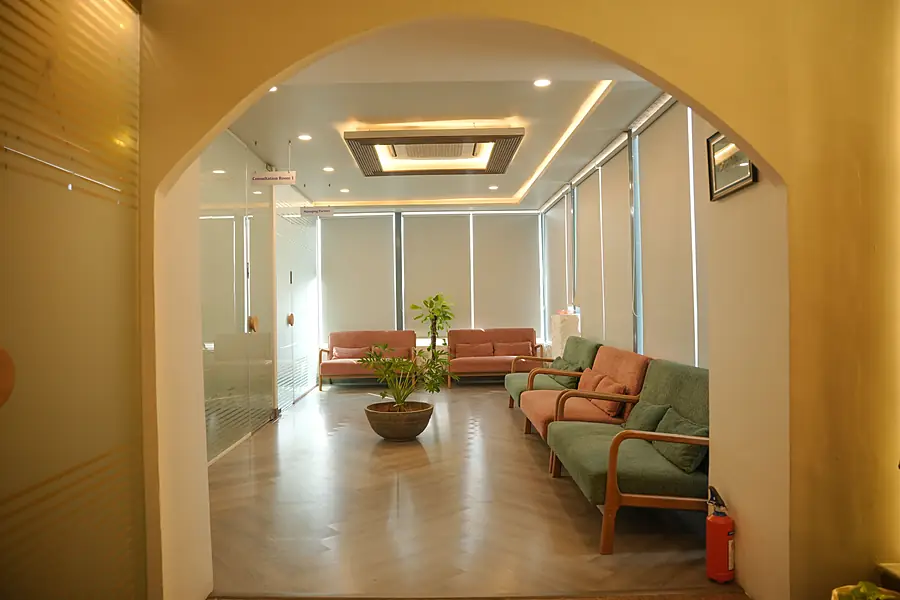
Your treatment is planned here, step by step, with time for your questions.
Cost depends on the type of surgery, tests and hospital stay. Many health insurance policies cover laparoscopic surgery when it is medically needed; please check with your insurer.
Laparoscopic tubal surgery. Meet our doctors →
Treatment planned in coordination with your IVF specialist
Tube-sparing options discussed whenever suitable
Consultations near Kundalahalli Signal; open 7 days
About hydrosalpinx and its treatment.
Get clear, honest guidance on each option. Women from Mahadevapura, Hoodi, Varthur and across East Bengaluru visit us.