A painful lump near the vaginal opening? A Bartholin’s cyst forms when a small gland gets blocked. Small cysts often need only home care; a painful abscess needs prompt treatment. Most procedures are day-care.
A Bartholin’s cyst is not caused by poor hygiene. Please do not squeeze or pop it at home.
Gland: Two pea-sized glands beside the vaginal opening keep the area moist.Cyst: A blocked gland fills with fluid: a soft, usually painless lump.Abscess: If infected, it becomes red, swollen, hot and painful. It needs prompt treatment.Treatment: Drainage, a Word catheter or marsupialisation creates an opening so it can drain.
The Bartholin’s glands are two small, pea-sized glands on either side of the vaginal opening. They release fluid that keeps the area moist. If the opening of a gland gets blocked, fluid collects and forms a Bartholin’s cyst: a soft, usually painless lump.
If the cyst becomes infected, it can turn into a Bartholin’s abscess: a painful, red, swollen lump filled with pus. An abscess needs prompt treatment.
Most common in women of reproductive age. It is not caused by poor hygiene, and is not usually a sign of anything serious in younger women.

The gland’s tiny duct can get blocked by thick fluid, swelling or minor injury. Often, no clear reason is found. An abscess forms when bacteria enter the blocked gland; these are usually common skin or bowel bacteria, and less often sexually transmitted infections such as gonorrhoea or chlamydia.
Being between puberty and menopause, when the glands are active.
Having had a Bartholin’s cyst or abscess before.
In the vulval area.
Usually little or none
Soft, smooth lump
Normal
No
Slow
Sitz baths and review
Often severe and throbbing
Tense, hot, very tender lump
Red
Sometimes
Can grow within 1–3 days
Drainage, often with antibiotics
See a gynaecologist if the lump is painful, keeps growing, comes back, does not improve in 2–3 days of home care, or if you have fever.
Diagnosis is usually simple. Your gynaecologist will ask about your symptoms and gently examine the area. This takes only a few minutes.
A quick, private examination with your consent.
To find the bacteria and choose the right antibiotic.
If needed.
For women over 40 or for lumps that feel unusual.
Treatment depends on the size of the cyst, whether it is infected and whether it has happened before.
Warm sitz baths 3–4 times a day may help a small, painless cyst drain.
Pain relief and antibiotics if there is infection.
A small cut to drain the cyst or abscess under local or short general anaesthesia.
A tiny balloon tube placed for a few weeks to keep the gland open and prevent recurrence.
The cyst is opened and its edges stitched to create a permanent small opening; often advised for repeated cysts.
Removal of the gland, rarely needed, for cysts that keep coming back.
| Procedure | Usually used for | Chance of coming back | Recovery |
|---|---|---|---|
| Incision and drainage | Quick relief of a painful abscess | Higher | A few days |
| Word catheter | First or second episode | Lower than drainage alone | Catheter stays a few weeks |
| Marsupialisation | Repeated cysts or abscesses | Lower | About 2–4 weeks |
| Gland excision | Cysts that keep returning after other treatment | Low | Longer; more bleeding risk |
Fill a clean tub or wide basin with a few inches of warm (not hot) water.
So the vulval area is covered.
Or as advised by your doctor.
With a clean towel.
Do not add soaps, bubble bath or strong antiseptics unless your doctor advises.
Most procedures are day-care; you go home the same day.
Mild pain and discharge for a few days is normal; warm sitz baths help healing.
Avoid intercourse for about 2–4 weeks, or as advised. Most women heal in about 2–4 weeks after marsupialisation.
A follow-up visit to check healing.
Wear loose cotton underwear and comfortable clothes.
If there is discharge.
And long two-wheeler rides until healed.
If you work at a desk in Whitefield or ITPL, a soft cushion may help you sit comfortably.
Take antibiotics for the full course, if prescribed.
Get seen quickly if you have:
Women with diabetes or low immunity should seek care early, as infection can spread faster. Please do not squeeze or pop the cyst at home; this can spread infection.
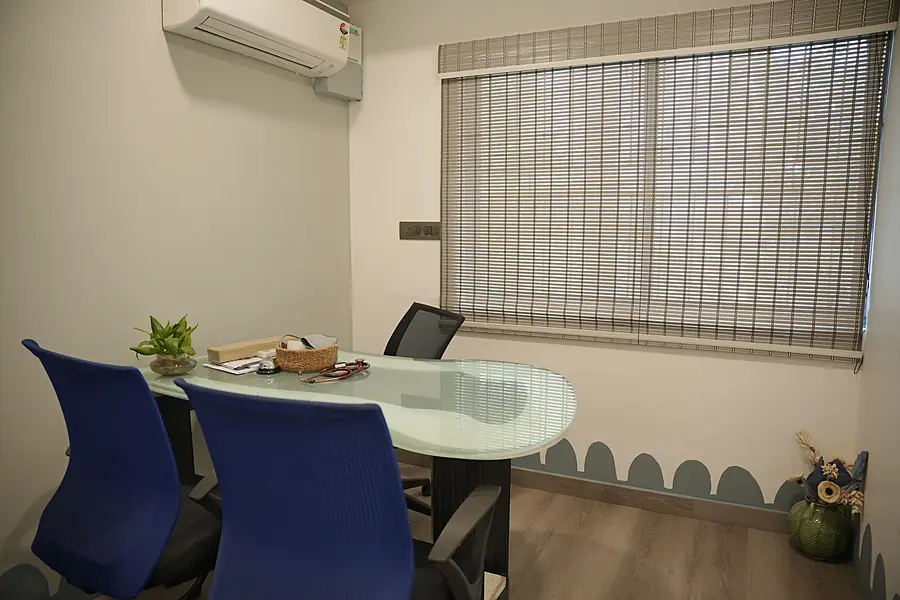
Our clinic near Kundalahalli Signal is easy to reach from Brookefield, Marathahalli, Hoodi and Varthur.
The cost depends on whether you need home care and review, drainage, a Word catheter or marsupialisation. Please call us for current charges.
Quick, private evaluation of vulval lumps by a gynaecologist
Same-day drainage for painful abscesses, where possible
Marsupialisation for recurrent cysts
Open 7 days, 8 AM – 8 PM, in Whitefield
About Bartholin’s cysts and abscesses.
Get seen quickly at our Whitefield clinic. Open all 7 days, 8:00 AM – 8:00 PM.